
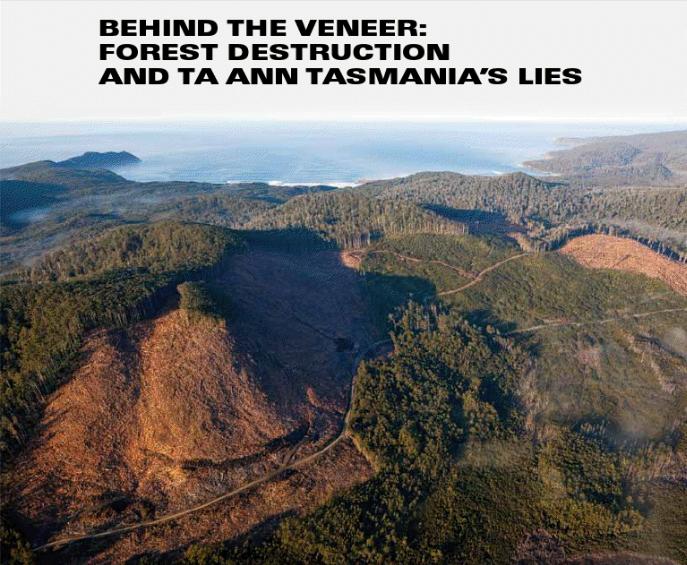
Trouble never ends in this tiny bit of island, south of mainland Australia. If you don’t know Tasmania, you probably need to watch Hollywood blockbuster, The Hunter, to get a clue. Tasmania covers a pristine wilderness where exploiters could miraculously disappear and would never come back alive. Of course, this is an exaggeration.

Protestors at Hydro Tasmania daming it involvement in Sarawak (Photo: Sarawak Report/ FB)
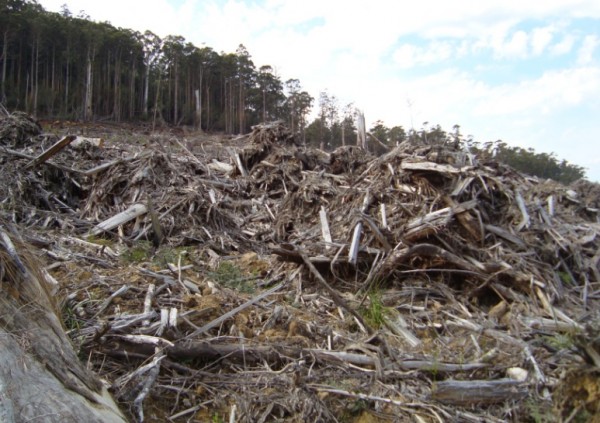
However, there is an interesting turn of events. The trouble is not about the local Green groups accusing Forestry Tasmania, Ta Ann or the Gunns Ltd. of Tasmania’s forest destruction. Instead, the state-owned dam builder, Hydro Tasmania, is implicated in a colossal environmental threat in the Province of Sarawak on the island of Borneo in Malaysia.
Hydro Energy is commissioned to “provide technical support” to Sarawak Energy who is currently building the multi-billion dollar Sarawak Corridor of Renewable Energy (SCORE). The project involves 12 highly controversial dams projected to produce 28,000 MW of power.
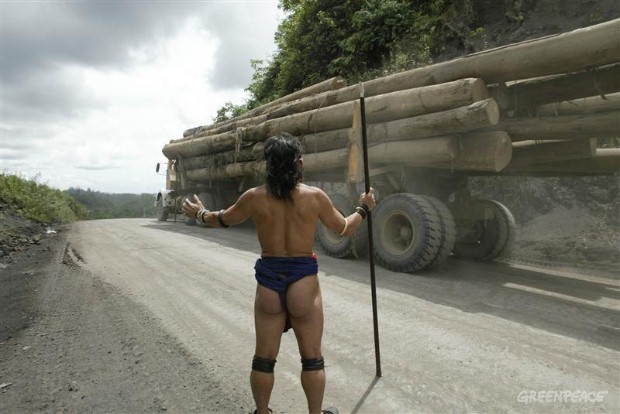
Local and international indigenous groups and communities denounced the project saying the dams will “flood huge swathes of the Borneo Jungle and destroy the lives of tens of thousands of indigenous people along with their cultures.” Exodus of people have begun.
The Sarawak Report said Sarawak Energy has a link to the Ta Ann Group– also maliciously imputed in the crime of exploiting Tasmanian forests and the jungle of Borneo. They are said to have a close link with the Tasmanian government, the report adds.
Both Sarawak Energy and Ta Ann have the same Chairman in Hamed Sepawi, the cousin and close ally of Sarawak Chief Minister, Taib Mahmud, who exercises an iron grip over this notoriously corrupted East Malaysia state.
The Borneo Project, a forerunner of environmental campaigns in Sarawak said Sarawak Energy is “not consulting with communities in good faith, and is not getting the Free, Prior, and Informed Consent of the affected communities.”
There is an overall lack of transparency; Sarawak Energy is not sharing their environmental or social impact assessments, feasibility studies, and resettlement plans. Meager compensation benefits will force communities into poverty.
International civic organisation have thrown support to condemn the dams. Groups include the Borneo Project (USA), the Bruno Manser Fund (Switzerland), the Rainforest Action Network (USA), International Rivers (USA), the Rainforest Foundation Norway and the Sarawak Report (UK), and many more.

Save Rivers Network stage a protest against the dams (Photo: Save Rivers Network)
These groups demand that the Federal Government of Australia and the State Government of Tasmania to live up to their commitments to protect indigenous rights and the environment. They asked Tasmania Premiere Lara Giddings to immediately pull Hydro Tasmania and all its subsidiaries out of Sarawak. Read their petition to Giddings HERE.
These groups said that despite Australian Government’s commitments to indigenous rights, Hydro Tasmania shares responsibility for the destruction of Sarawak communities. They also demand that the Tasmanian government severe all ties with Sarawak Energy and take a stand for environmental conservation and indigenous rights. Sarawak is home to over 40 indigenous communities, as well as many vanishing species, including the orangutan. Conservationists said the proposed dams threaten to destroy some the last remaining rainforests in Borneo.

Sarawak Delegates visit Canberra (Photo: Sarawak Report/FB)
The Australian Greens have joined the activism and have launched a national campaign in November calling for the withdrawal of Hydro Tasmania and the Tasmanian Government from the controversial project.
Australian Greens Leader Senator Christine Milne and Lee Rhiannon said Hydro Tasmania cannot walk away from their responsibility for the damage these dams will cause to thousands of villagers in Sarawak. Milne said “Hydro Tasmania continues to supply staff and technical expertise to push these projects along despite a growing campaign in Sarawak against the dams. I am calling on Hydro Tasmania to walk away from this destructive project.”
In other development, delegates from Sarawak arrived in Australia to have dialogues with Hydro Tasmania and local officials.
Indigenous leaders from the Sarawak met with Hydro Tasmania’s CEO Roy Adair in Launceston and Tasmania’s Deputy Premier Bryan Green. The final public event will be held in Hobart on December at the Republic Bar in North Hobart at 7 pm.

Sarawak delegates flash a banner denouncing Hydro Tasmania in Sydney (Photo: Sarawak Report/FB)
Peter Kallang, chairman of the Save Rivers group of Sarawak Indigenous leaders and James Nyurang, village headman from the Baram River Region, joined the Australian tour and called on Hydro Tasmania to pull their support out of controversial dams.
Adam Burling, spokesperson for the Save Sarawak Rivers Tour said,
Meeting with the CEO of Hydro Tasmania has meant that the people of Sarawak could directly request Hydro Tasmania to withdraw from the controversial dam projects. Hydro Tasmania continues to supply staff and technical expertise to push these projects along despite a growing campaign in Sarawak against the dams, and deplorable human rights violations.
Kallang added Australians need to know Hydro Tasmania is involved in massive dam proposals that stand to affect up to 20,000 people who live along the Baram River in Sarawak.

Anti-Hydro Tasmanian protest in Melbourne (Photo: Sarawak Report/FB)
Nyurang said, “If the dams go ahead I will lose my home, my land. I have no idea where my family will be moved to or how we will make our livelihood.
Hydro Tasmania’s involvement in Sarawak will help to flood thousands of hectares of land belonging to the indigenous peoples of Sarawak. This will spell the end of our heritage, our means of livelihood, custom and culture. We will not stand by while our homes, our rice fields, our fruit trees go under water, James Nyurang said.
Sites of 12 controversial dams in Sarawak (Photo. Borneo Project)
Sites of 12 controversial dams in Sarawak (Photo. Borneo Project)

The delegates will continue to have public events in Sydney, Canberra, Melbourne, and Launceston. They met some members of the Parliament in both Upper and Lower Houses, including Victorian and New South Wales members from the Australian Greens. Watch the press conference HERE.
Blog Link: Asian Correspondent


 The GREEN JOURNAL AU