
What’s the fuss about Tarkine?
“Here, some of the tallest and oldest trees in the world are being logged for woodchips — irreplaceable virgin forests converted into toilet paper.” – The Green Left
Discover the hidden treasures of the Tarkine (Photo: Carol Haberie/Tarkine Wilderness of Tasmania)

This is one of the uncomfortable truths about the current state of the Tarkine, one of the last remaining pristine wilderness of Tasmania and claimed to be disturbed by logging and open cut mining operators.
Tarkine could be an unfamiliar destination to most intrepid travelers, but to those who know this place by heart, Tarkine can match the beauty and historical significance of iconic spots such as the Ayers Rock (Uluru), Sydney Opera House, or Bondi Beach.
The Tarkine is the largest wilderness in the north-west region of Tasmania sprawling over 477,000 hectares. It is dominated by pristine rainforests with dramatic view of wild rivers, deep gorges, and waterfalls. About 70 percent of the total area is rainforest, 90 percent of which is regarded as old-growth forest.

Arthur River rainforest in the Tarkine (Photo: Tarkine.org)
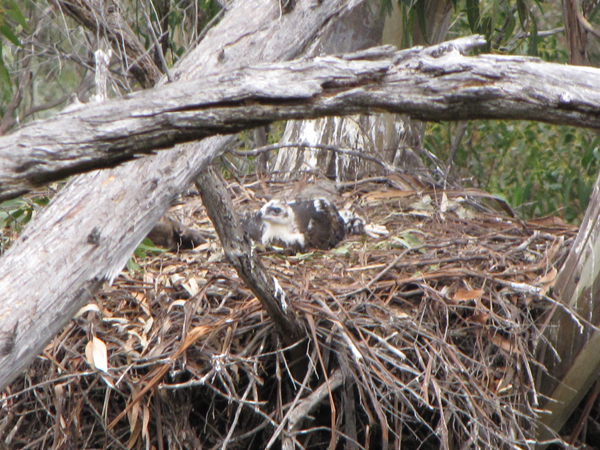
The Tarkine is considered by conservationists as one of world’s oldest rainforests. It hidden treasures contain relics from the ancient super-continent, Gondwanaland. It is home to more than 60 rare species. Unique animals include the Giant Freshwater Lobster – the world’s largest freshwater crustacean; the Tasmanian Wedge Tailed Eagle – Australia’s largest Eagle; and the famous Tasmanian Devil.
However, environmental groups lament its lack of government protection. Increased commercial activities in area are claimed have posed a serious threat to various species, some of which are now considered endangered.
Green groups believe Tarkine should be given equal importance like other great Australian landmarks. As such, Tarkine has been pushed for listing in the World Heritage Site. But its listing faces no paved road – hampered by the Government’s dilemma between conservation and economic pursuits.
The fact is both the Federal and State governments do not think Tarkine should be listed.

The Tasmanian Devil is one of the species under threat.
The Federal Government said it has enough protection while the Tasmanian State Government said logging and mining will create and sustain jobs and livelihood.
Early on, The Mercury reported the State Government supports mining ahead of the environment in a submission to the Federal Government on whether the Tarkine Wilderness Area should be protected by national heritage laws.
The report said Energy and Resources Minister Bryan Green admitted the State Government “desperately wanted to see lucrative projects such as the multi-million-dollar Mt Lindsay tin mine reach fruition.”
Dollars generated by mining can surpassed dairy, beef, and wine combined. The mining ventures of St Lindsay mine, for one, aims to target the world’s second-largest tin deposit that overlaps part of the Tarkine in the state’s North-West. It could generate up to $250 million annually, the report added.
Tasmania Priemiere Lara Giddings also admitted mining industry is a crucial source of income for the Government. The ABC reported she is adamant the Tarkine’s proposed listing should not compromise future mining operations.
She says low impact operations similar to MMG’s new Southern Hercules open cut mine at Rosebery can occur in the Tarkine without compromising the region’s environmental values.
“Mining is an essential part of the Tasmanian economy, it has a royalty benefit to the State Government which helps to contribute to our state budget as well, so we’re keen to see mining continue.”
Rare species inhabit the Tarkine (Photo: Discovertarkine.com)

The Age has traced back the history of the campaign to protect the Tarkine. It says it started from Tasmanian forests disputes way back the 1980s. Former Green Senator Bob Brown suggested the name “Tarkine” to honour the memory of the local indigenous Tarkiner people. The campaign was initially dubbed “For the Forests”. Since then frequent skirmishes over its protection have become common.
Ever since there has been skirmishing over its protection – no more so than in the case of the ”Road to Nowhere”. This 70-kilometre, north-south link road cutting across the wilderness’ western side took seven years to build – and was stopped and restarted by successive governments.
When the road opened in 1995, then Premier Ray Groom claimed it as proof the tide was turning against environmentalists. It remains little used.
Logging into the northern fringes of the Tarkine has a long history and has met few protests. Its most contentious timber is the rainforest myrtle – a deep-red cabinetmaker’s delight. Under the Howard government, 70,000 hectares of myrtle rainforest was reserved in 2005.
Guided tours are provided in the Tarkine (Photo:tarkinelodge.com)

The Tarkine Wilderness has been waiting for enlistment as a national park for the past three decades, but the Federal Government is delaying it for further consideration. UK-based The Independent noted the Government is unconvinced of its listing while the the WWF, among with other Green groups have been watching for the development of the Tarkine’s listing. View timeline here.
While the Tarkine awaits, the Tarkine National Coalition fears ten new mines will put up over the next five years.
Blog Link: Asian Correspondent

 The GREEN JOURNAL AU